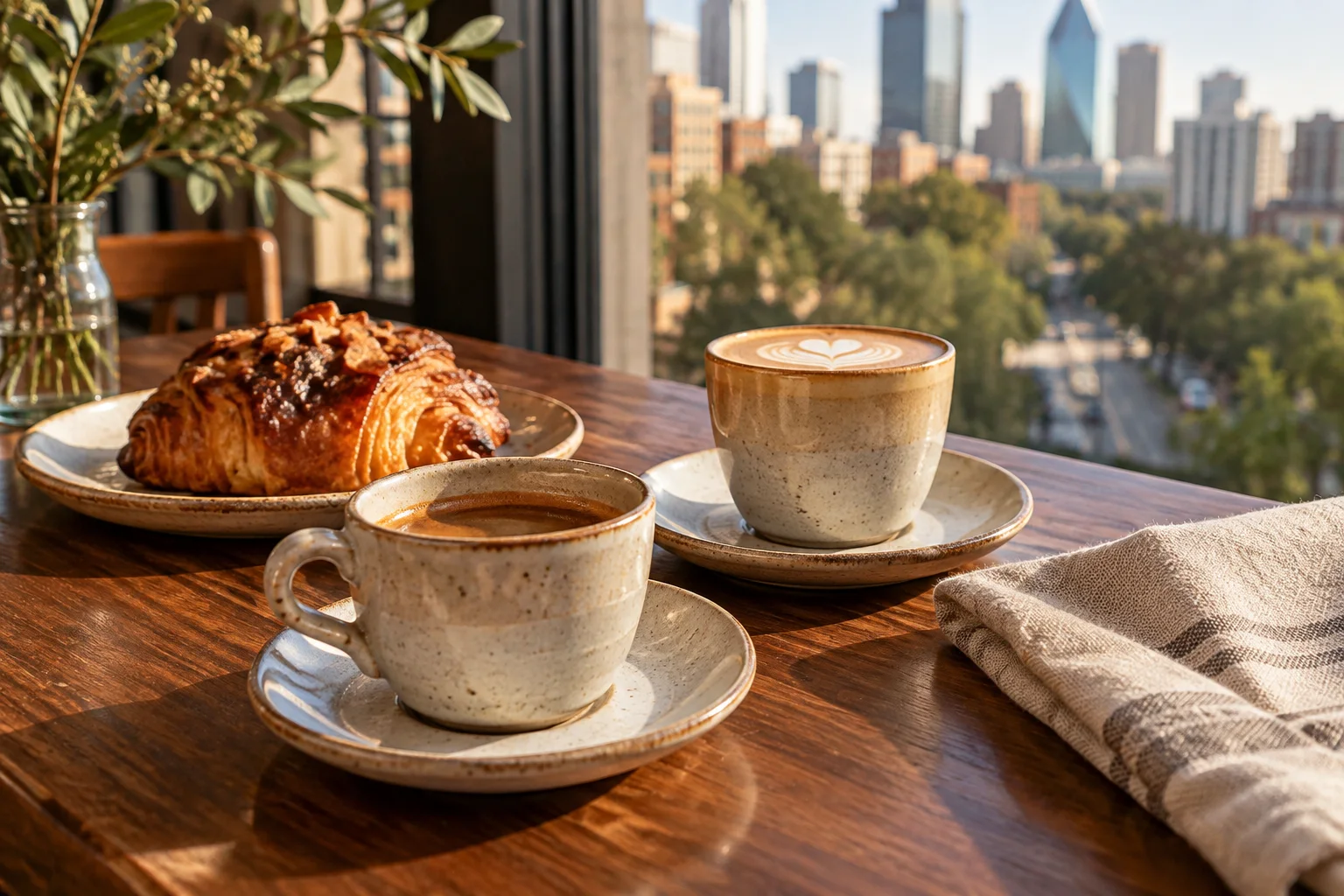
Choose a comparison you can understand
Start with two coffees that differ in one reasonably clear way, such as the producer’s described roast approach or two offerings from the same seller. Buy a manageable amount and keep the package information. You do not need to reproduce a professional tasting format to learn something useful. Ask a Dallas coffee shop or reputable supplier a specific question if you are unsure where to begin. Be clear that you want an approachable comparison rather than the most expensive recommendation. Choose a time when you can pay attention comfortably, and keep the gathering optional for anyone who does not enjoy coffee or prefers not to sample it.
Keep the brewing process consistent
Use a method you already understand and follow the relevant equipment and product instructions. Keep the amount, water, preparation, and serving conditions as consistent as practical so the comparison is not dominated by a different process for each coffee. Prepare small servings and label them clearly. If you make an error, note it rather than trying to explain the result as a feature of the coffee. Clean equipment and simple organization can be more useful than buying another device. This is an exercise in noticing your experience, not a claim to laboratory precision or a universal judgment about which product is better.
Describe before deciding what you prefer
Notice aroma, texture, intensity, and how the taste changes as the drink becomes comfortable to sip. Use familiar comparisons if they help, but do not force yourself to find the same notes printed on the bag. Ask what each coffee reminds you of and which qualities you enjoy. If tasting with someone else, make your own notes before comparing impressions so one confident description does not shape the whole discussion. Different preferences can reveal useful context: one person may want a bright, attention-grabbing cup while another prefers something gentle with breakfast. Neither reaction needs to become a score that invalidates the other.
Turn the result into a useful next step
Record the coffee, preparation, and the occasion for which you would choose it again. Keep your conclusion modest and specific. You may discover that you prefer a certain offering with food or that a small preparation change matters more to you than a new product. Follow storage guidance from the supplier and buy quantities that fit your routine. When you return to a Dallas shop, your notes can help you ask a better question about what to try next. A home tasting is successful when it makes an everyday choice more enjoyable and informed, without turning a simple pleasure into a collection of equipment or a test of expertise.