Pick a question small enough to follow
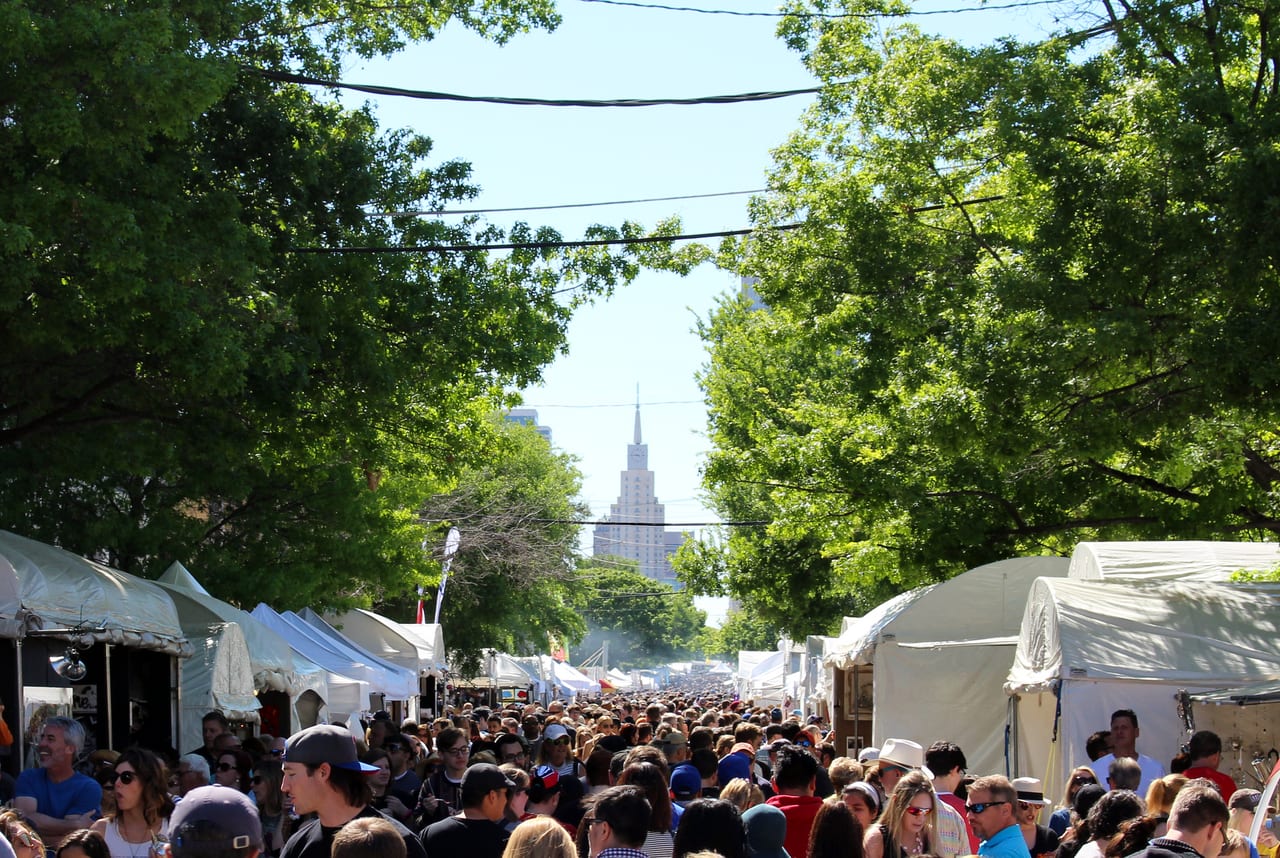
Choose something you can observe directly, such as how buildings mark their entrances, create shade, or make room for outdoor gathering. Select a short Dallas route with permitted public access and a comfortable way to pause. Check current conditions and plan for your own needs. The question should help you notice details rather than force every building into a theory. You may discover that different answers work in different contexts. Keep the route modest enough that attention stays fresh and you can spend time with a few examples.
Compare examples with specific language
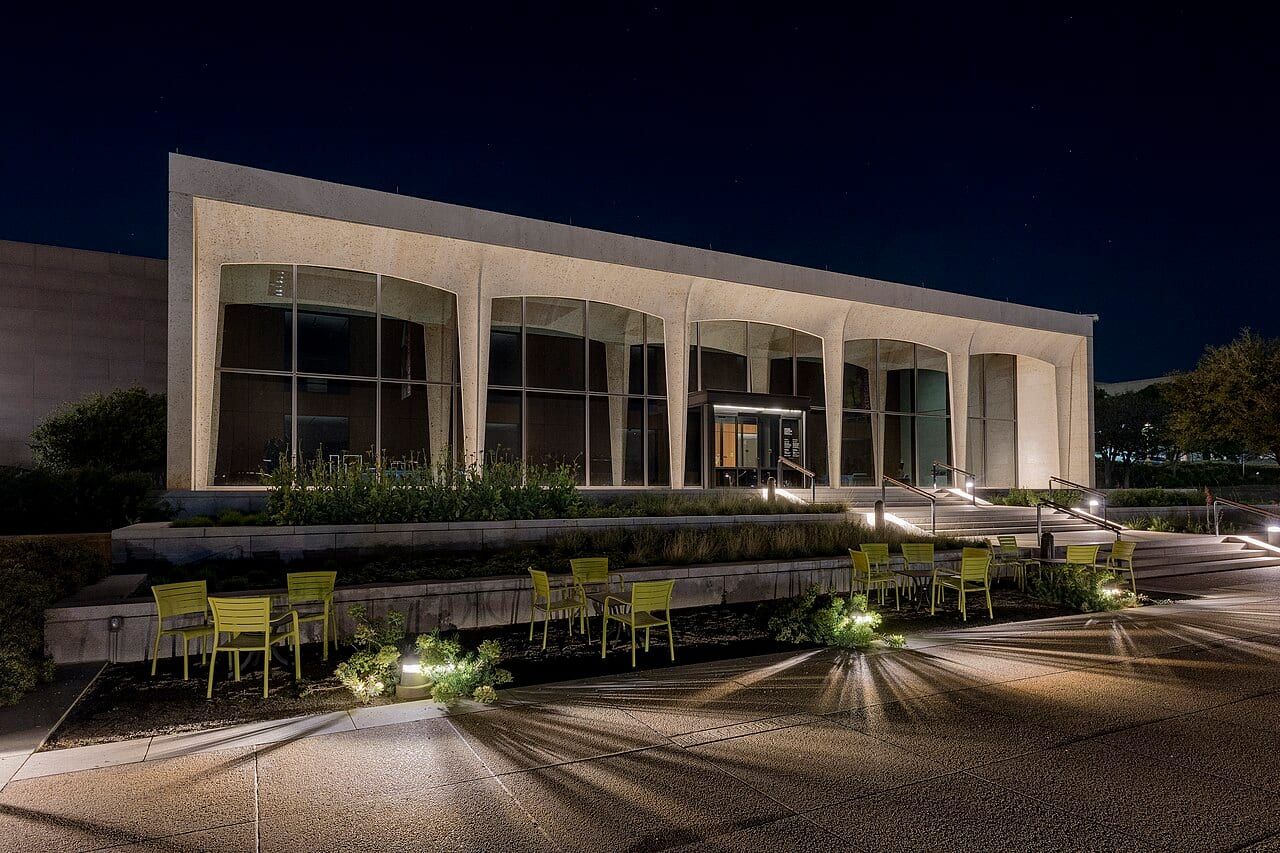
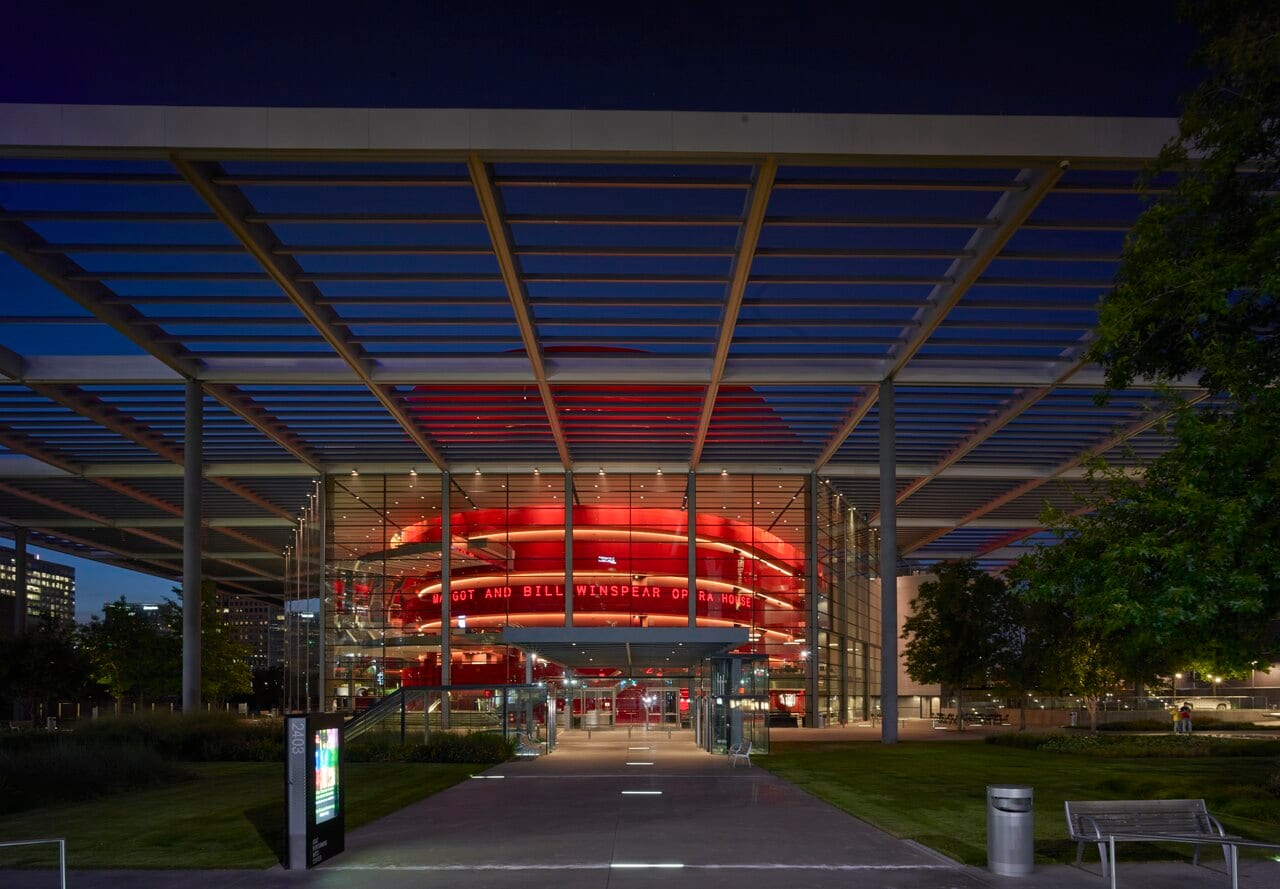
At each stop, describe what you see before deciding what it means. An entrance may be recessed, raised, transparent, broad, or surrounded by planting. Ask how that arrangement affects the approach and whether it is easy to understand where to go. Record your own experience without claiming universal accessibility or historical significance. If photography is permitted, take a wide view and a detail to preserve context. Respect private property and avoid blocking paths. A useful comparison can be made from ordinary buildings as well as recognized architectural landmarks.
Review the walk as a set of possibilities
Afterward, look at the examples together and note which choices you found effective and why. Separate observations from questions that need research. To learn about a designer, date, or alteration, consult reliable primary or archival material rather than guessing from style. You might use the same question on another route or choose a new feature next time. This practice builds a personal design vocabulary gradually. It also makes Dallas feel more legible, with buildings becoming responses to practical and social needs rather than a background you pass without noticing.
Let a small comparison deepen over time
You do not need a new district for every architecture walk. Repeating the same route with a different question can reveal features you overlooked: the rhythm of windows, the placement of signs, or the boundary between public and private space. Keep the earlier notes so you can see how your attention changes. If a building’s history becomes important to your interest, look for official records, an archival collection, or first-hand documentation and be clear about what each source establishes. Avoid filling gaps with a confident stylistic guess. You can enjoy a building while still being uncertain about its story. Sharing a short, accurate observation with a friend may be more engaging than offering an elaborate interpretation you cannot support. A continuing practice of looking makes architecture part of everyday Dallas life, with curiosity growing through direct attention and careful research rather than a rush to master every name.