Begin with the experience you want
An outdoor outing may mean a short skyline view, a gentle walk, or time in a quieter setting. Name that intention before selecting a destination. The City of Dallas Trinity River Corridor's exploration page identifies individual places, including the Trinity Skyline Trail and Trinity Overlook. Treat them as distinct destinations with their own access information rather than imagining one continuous visitor experience. Choose a single starting point appropriate to the group and investigate it carefully. An appealing broad name on a map is not enough to tell you where to arrive, what facilities are present, or whether the outing suits the day you have planned.
Check current information at the source
Review the responsible organization's current notices and destination details before leaving. Access and outdoor conditions can change, so do not rely on an old photograph or an unverified route description. Follow posted closures and other official guidance. Look at the current forecast and consider whether the plan still fits your group's needs. If you cannot establish how to reach a suitable entrance, ask for clarification or choose a better-documented option. A modest outing with clear information is preferable to turning uncertainty into an impromptu expedition. Keep a comfortable alternative available so a change in conditions does not leave the group searching for a new plan while already on the road.
Keep the route within your real capacity
Choose the length and pace for the people who are attending today, not for an idealized version of the group. Include the return portion and any distance between parking or arrival point and the start of the activity. Carry appropriate supplies and follow the destination's safety guidance. If heat is relevant, consult current official advice, including Texas Parks and Wildlife's heat-safety information, rather than treating a short distance as a complete measure of effort. Agree on where and when to turn back. Leave the place as you found it and give other users room to enjoy their own visit without having to negotiate around a stationary group.
Notice the setting without making claims
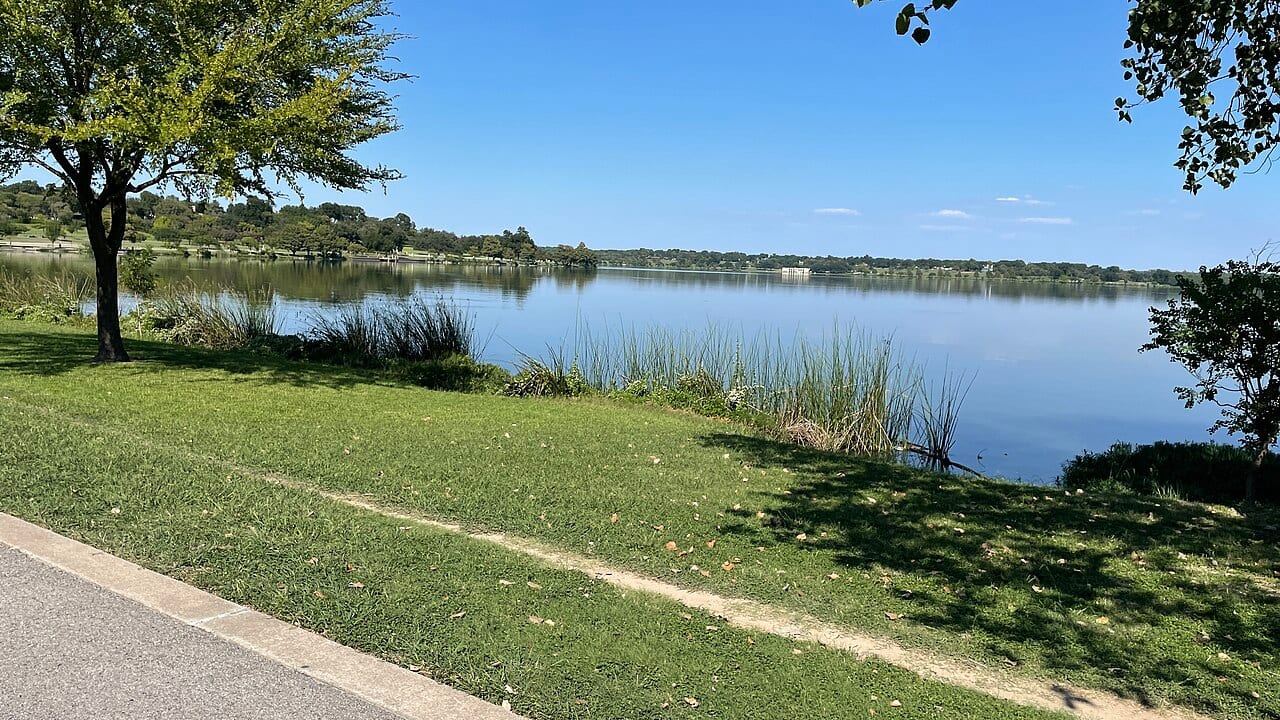
Take time to look at the relationship between the city and the outdoor landscape. Describe what you actually see and avoid identifying plants, wildlife, or environmental conditions beyond your knowledge. Official interpretive material can provide a starting point for learning more afterward. Record practical notes about the outing, including the exact destination and the conditions during your visit. A future plan should still be checked again rather than copied blindly. A thoughtful Trinity River experience can be short and satisfying: one suitable place, a clear route, a comfortable pace, and enough attention to appreciate the setting without forcing it to become a larger adventure than your group intended.