Study the edge between building and street
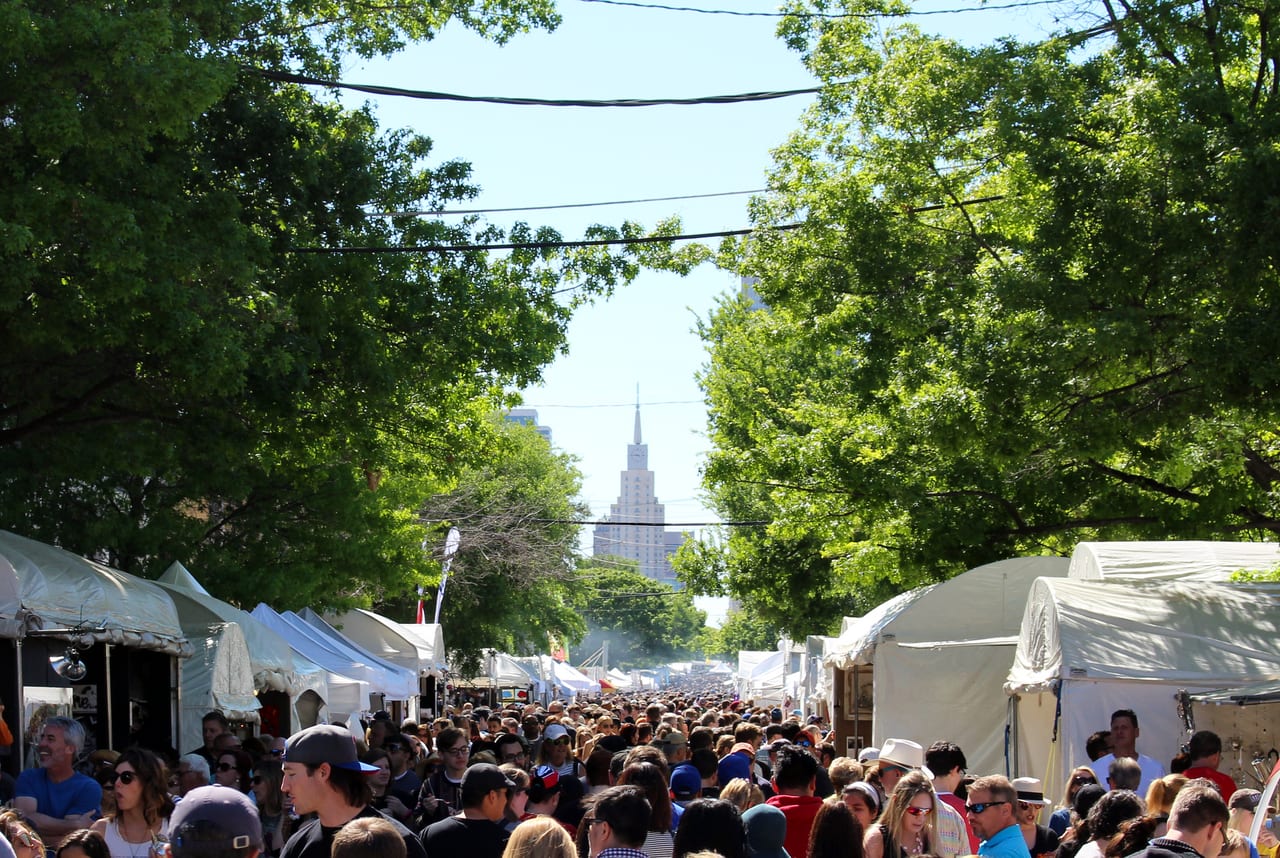
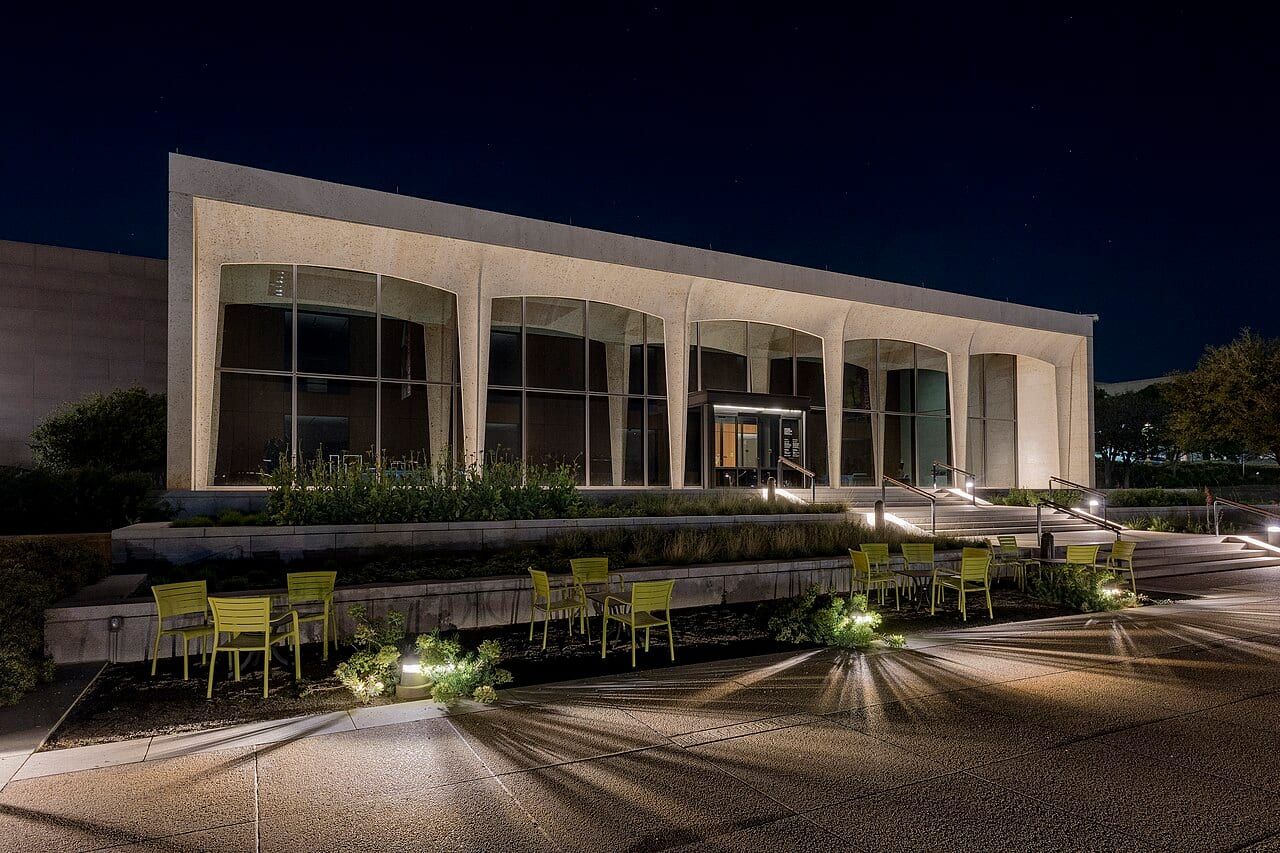
Choose a short Dallas route and look at the first few feet between the public path and nearby buildings. Notice steps, planted areas, porches, windows, doors, and the spaces where people pause. Ask how each arrangement affects your sense of welcome and orientation. Keep your observations grounded in what you can see from permitted public areas. You do not need to know the architect or construction date to describe the experience. A blank wall, an open doorway, and a sheltered recess each create a different relationship with a passerby.
Look at comfort as a sequence
Consider the walk from one practical stop to another. Where can you rest? Is the path easy to understand? How do crossings and entrances fit together? Observe shade and exposure at the time you visit, while remembering that conditions vary. Avoid assuming that a single attractive corner makes the whole route equally comfortable. Think about different users, including someone carrying bags or moving at a slower pace. A street is encountered over time, and a series of small obstacles can matter as much as one visibly impressive design feature.
Use observation to ask better questions
Make a few notes or permitted photographs of details that worked well for you. Compare them with another route and ask why the experience felt different. If you want to investigate history, public projects, or formal accessibility requirements, turn to reliable official material and qualified sources. Personal observation is a starting point rather than proof of compliance or universal suitability. Learning to describe the city precisely can enrich neighborhood conversations and future visits. It also helps you recognize that good design often appears in ordinary transitions people use without stopping to admire them.
Compare comfort without declaring a universal winner
Different people may experience the same street differently because of mobility, familiarity, sensory needs, and the purpose of the trip. If you explore with someone else, ask what they noticed before explaining your own conclusions. A feature you found attractive may create a practical obstacle for them, while an unremarkable detail may make the route easier to navigate. Record those differences respectfully. Avoid claiming that a place works for everyone based on a short visit. Instead, describe particular conditions and the situations in which they helped or hindered. This more precise language can improve conversations about neighborhood design and keep enthusiasm grounded in actual experience. It also makes your own walks richer. Dallas becomes a collection of environments that invite thoughtful questions about daily life, rather than a simple contest between beautiful and unattractive buildings viewed from one person’s perspective.