Choose a street you can explore comfortably
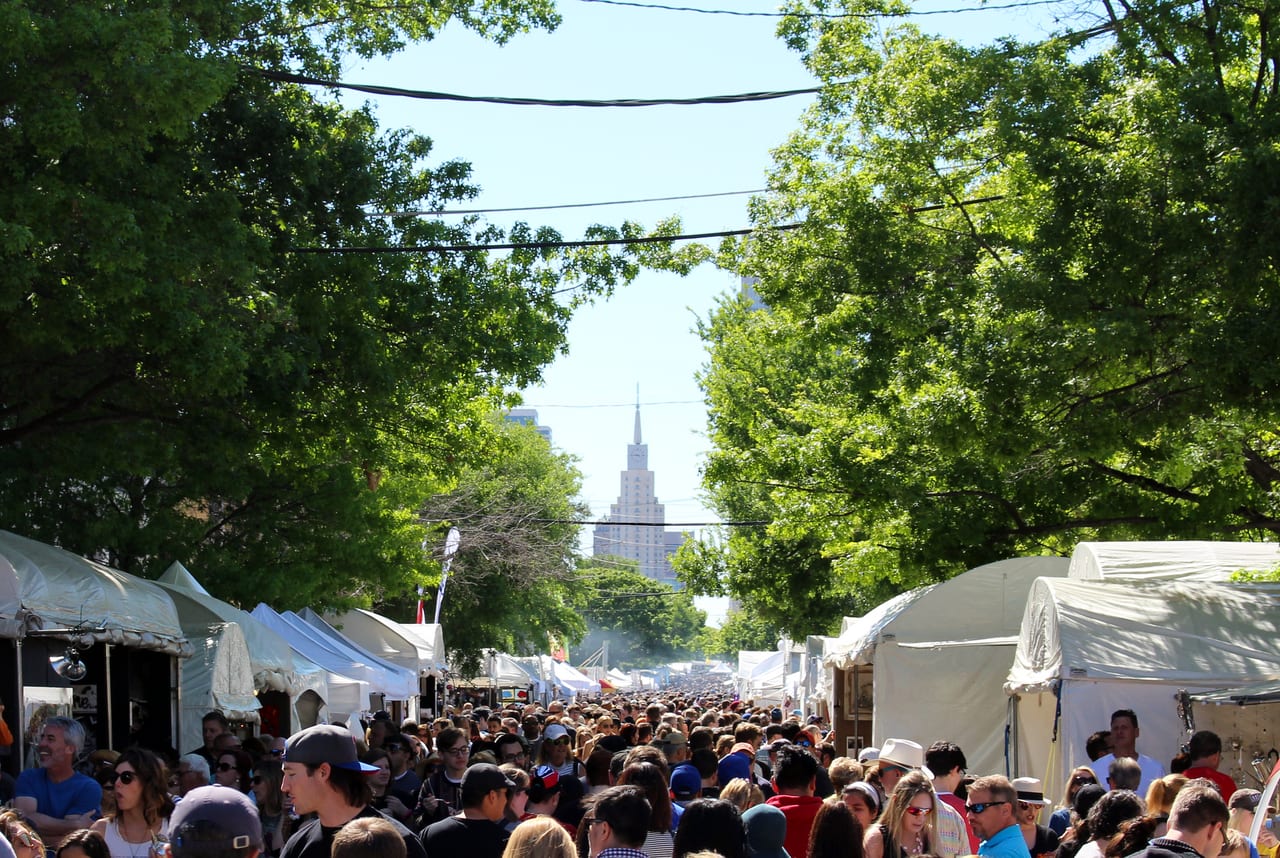
Pick a manageable stretch with lawful public access and places to pause without obstructing others. You do not need famous buildings or specialist vocabulary. Begin by noticing how the street meets the buildings: broad entrances, narrow doorways, setbacks, windows, courtyards, or blank walls. Ask which features invite attention and which make you move quickly past. Observe safely from permitted areas and respect private property. A familiar Dallas route can offer plenty to study when you give it the focused attention normally reserved for a destination.
Look for practical design choices
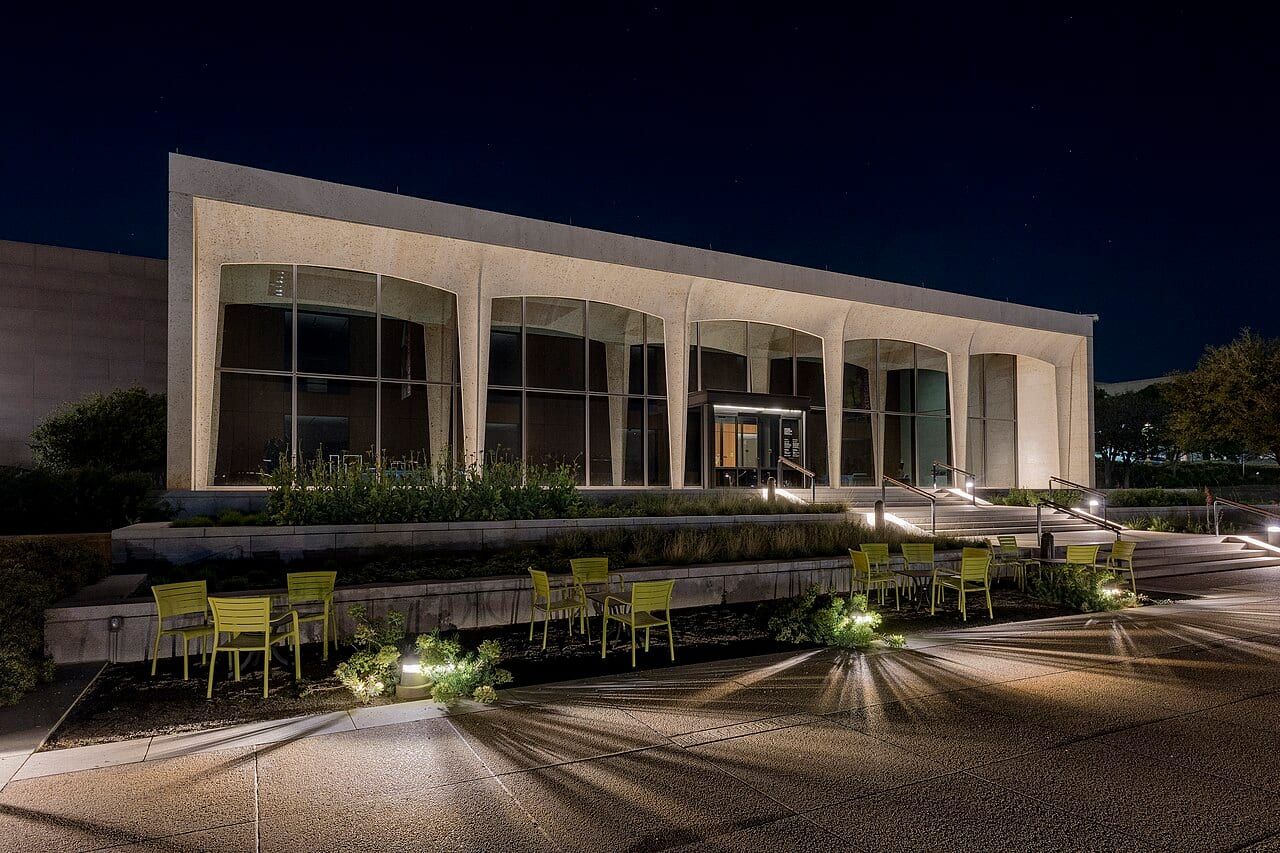
Notice where shade falls and how an entrance protects someone arriving in sun or rain. Compare the apparent texture, color, and scale of materials without assuming you know their age or construction. Look at how signs and lighting relate to the building and how ground-floor spaces connect with the sidewalk. These observations help you describe your own experience of a place. If you want to know who designed a building or when it changed, consult a reliable archival or official source instead of inferring history from appearance alone.
Turn the walk into a visual notebook
Photograph details where permitted and write a few words about why they interested you. Compare two entrances, a change in building height, or the way a small outdoor space feels enclosed. Keep interpretation separate from verified facts. You might discover a preference for deep porches, clear sightlines, or buildings that make room for trees. That awareness can enrich future Dallas walks and help you explain what you value in a neighborhood. The goal is a more attentive relationship with the city, not an instant claim to architectural expertise.
Notice how ordinary use changes the view
Return to the street when it is being used differently, if practical. Delivery activity, open doors, people waiting, or outdoor tables can change how the same buildings are experienced. Describe the relationship without assuming that every visible use is permanent or formally intended. Ask where the design appears flexible and where everyday activity seems to work around it. A broad doorway might become a brief meeting place; a sheltered edge may offer a pause during a walk. These observations help connect architecture with ordinary life rather than treating buildings only as objects to photograph. Keep personal privacy in mind and avoid making strangers the subject of your record without their consent. When you review the notes, compare both the physical features and the activities around them. Together they can reveal why one part of a familiar Dallas street holds your attention while another remains merely a route through.