This is a paid partner contribution. Commercial relationships are disclosed so readers can distinguish sponsored content from editorial guides.
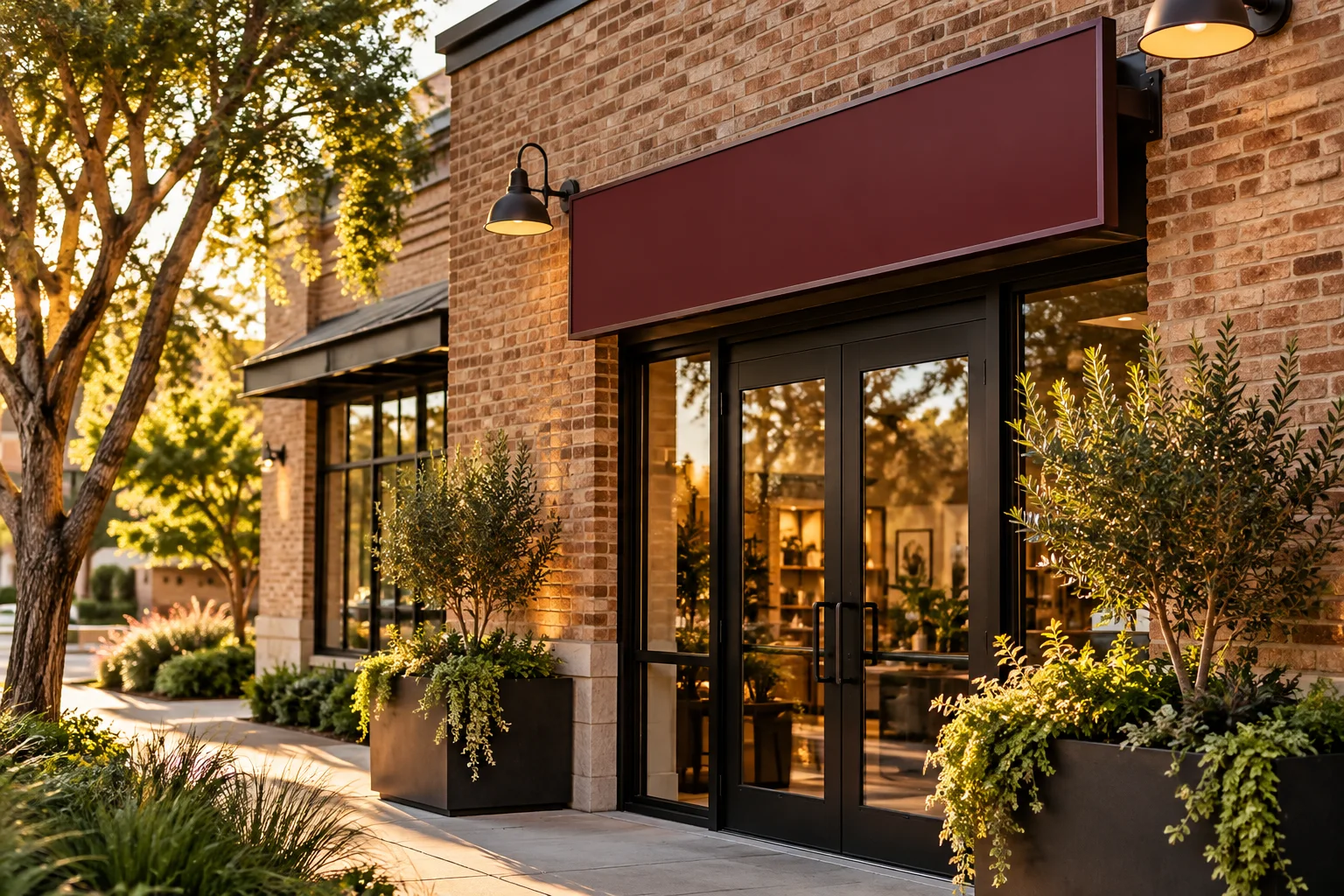
A blank wall or an empty storefront represents a clean slate, but it also presents a series of choices that can feel overwhelming. Deciding how to direct the eyes of a passerby involves balancing aesthetics with utility. Whether you are looking for a permanent fixture or something that can change with the seasons, the process begins long before any hardware is mounted. The most effective way to navigate this is to build a clear record of your requirements and the options you have explored.
Defining the Visual Intent
Before looking at specific products, consider the environment where the item will live. A sign in a high-traffic corridor serves a different purpose than one tucked into a quiet corner of a lobby. You might find yourself weighing the brightness of a screen against the texture of a physical board. For example, if you are deciding between static materials and digital signage Dallas, you are essentially choosing between a constant, unchanging message and a flexible, rotating one. One offers a set visual identity that never wavers, while the other allows for updates at a moment's notice. This choice dictates how you will manage your space in the months and years to follow.
Preparing Your Specifications
A successful installation relies on the clarity of the information you provide to a specialist. Instead of relying on vague descriptions like "bright" or "modern," try to gather concrete details about your space. Measure the available mounting areas, note the lighting conditions throughout the day, and identify where power sources are located. Having these measurements and observations ready ensures that the conversation stays focused on what is actually possible in your specific location. When you meet with a provider, ask how their recommendations account for the dimensions and environmental factors you have documented.
Building a Decision Record
As you compare different directions, keep a written log of your preferences and the questions you have asked. This record should include the specific materials discussed, the intended use for each option, and any constraints you have identified. If a provider suggests a specific mounting method or a particular type of display, note those details alongside your own observations about the site. This prevents the feeling of starting from scratch if you need to revisit a decision later. It also allows you to see the logic behind your final choice once the project moves into the implementation phase.
Moving Toward Implementation
Once you have your measurements, your environmental notes, and your list of preferences, you are ready to seek professional input. Rather than asking for a generic quote, use your prepared data to ask more targeted questions. You might ask how a specific material will hold up in your specific lighting or how a certain installation method affects the surrounding wall. To begin this process, you can reach out via the FASTSIGNS Dallas Fair Park contact page to share your requirements and begin the consultation.