This is a paid partner contribution. Commercial relationships are disclosed so readers can distinguish sponsored content from editorial guides.
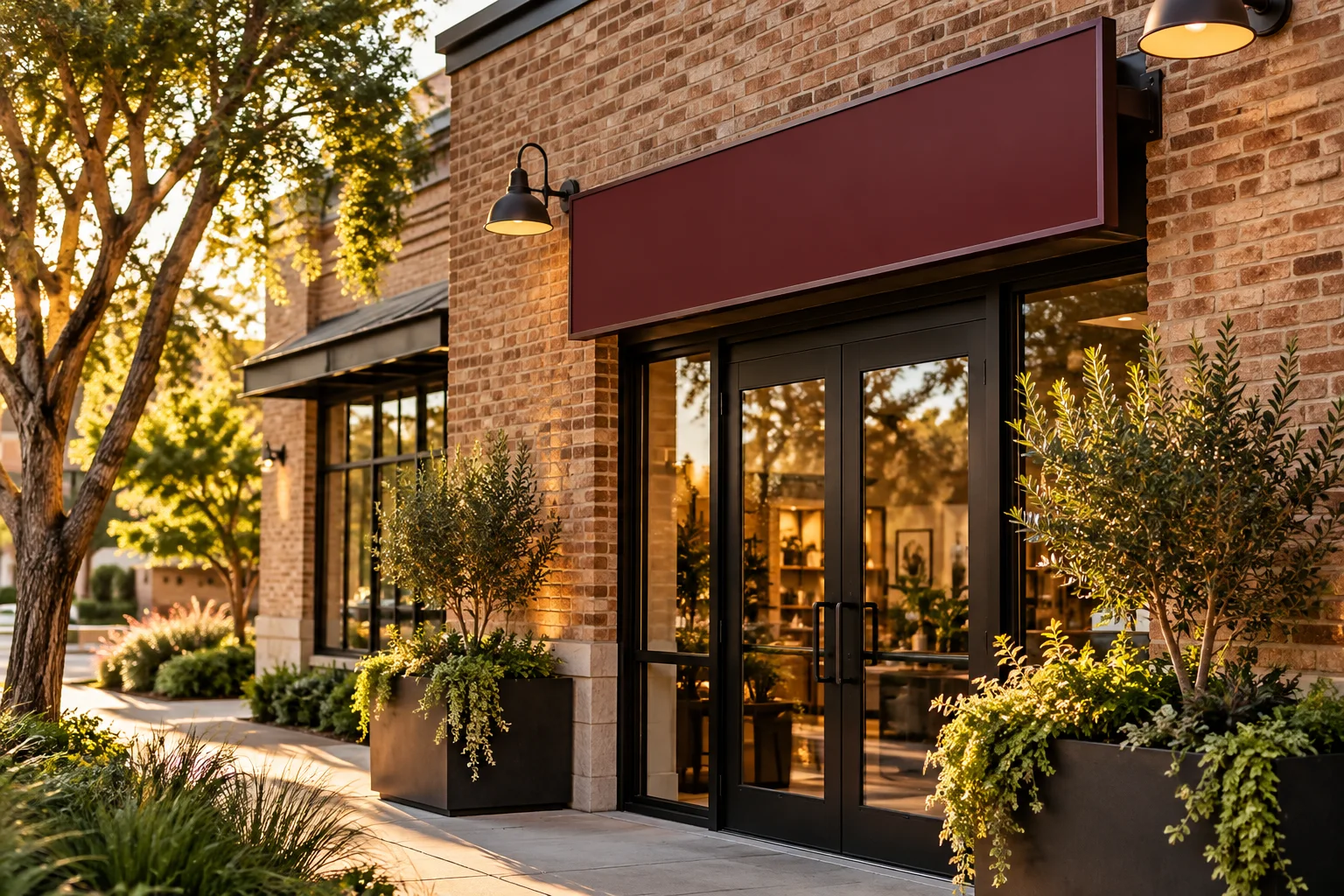
A new storefront or an updated office entrance often begins with a single idea, but it quickly expands into a series of moving parts. Whether you are preparing for a local event or refreshing a permanent business location, the visual elements you choose must work together. The difficulty lies not just in the design, but in ensuring that every person involved—from the designer to the installer—is working from the same set of expectations.
Gathering Your Visual Assets
Before reaching out to a sign company dallas, start by collecting your existing brand materials. This includes high-resolution logos, specific color codes, and any font files used in your current marketing. If these assets are scattered across different computers or email threads, the risk of receiving a product that looks different from your website increases. Organizing these files into a single digital folder allows you to present a consistent package to anyone you consult.
Consider the physical space where the items will live. Take measurements of walls, windows, and entryways. Note any obstructions like light fixtures, security cameras, or electrical outlets that might interfere with a placement. Having these dimensions ready prevents the need for multiple site visits and helps clarify what can actually fit in your designated area.
Balancing Aesthetics and Utility
Every signage decision involves a choice between how something looks and how it functions in a specific environment. A large, brightly colored graphic might grab attention from a distance, but it may also obscure a window or clash with the building's architecture. Conversely, a subtle, minimalist design might look sophisticated but could be difficult for a driver to read from the street.
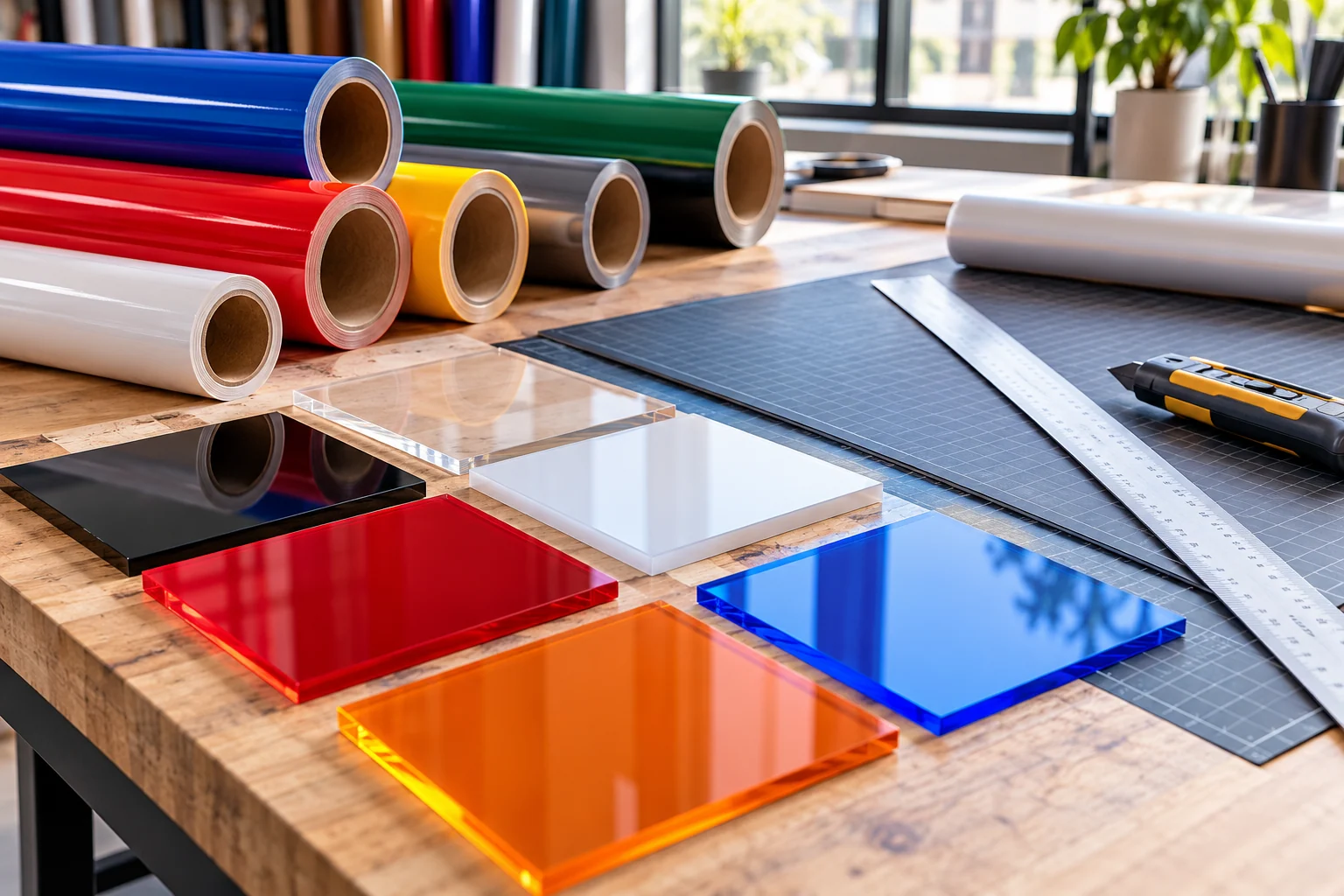
For example, if you are planning grand opening signs dallas, you might weigh the impact of a massive vinyl banner against the longevity of a mounted board. The banner is easy to deploy quickly, but it may react differently to wind or rain than a rigid sign. Ask your provider how different materials respond to the specific outdoor conditions of your location.
Aligning the Project Team
When multiple people are involved in a project, information can easily be lost in transition. If you are working with a designer for the graphics and a separate team for the installation, the most important step is to ensure they are looking at the same specifications. A mismatch in scale or color between the digital file and the physical product is a common frustration that can be avoided through careful record-keeping.
Ask your contact which methods they use to confirm that the final product matches your approved proofs. Request a clear timeline that shows when designs are due, when production begins, and when installation is scheduled. If you have specific requirements for how a sign should be mounted or how it should interact with existing lighting, ask the professional to confirm these details in writing before any work commences. Clear documentation serves as the bridge between your initial vision and the finished installation.