This is a paid partner contribution. Commercial relationships are disclosed so readers can distinguish sponsored content from editorial guides.
A stack of sketches, a mood board, or a digital mockup can feel like a finished project, but there is often a gap between a visual concept and the physical reality of a sign or display. When you are preparing for a major event or a change in your storefront, the most critical elements are often the ones that haven't been addressed in the initial conversation. Transitioning from an idea to a tangible asset involves a series of practical inquiries that determine how a project actually unfolds.
Bridging the gap between vision and reality
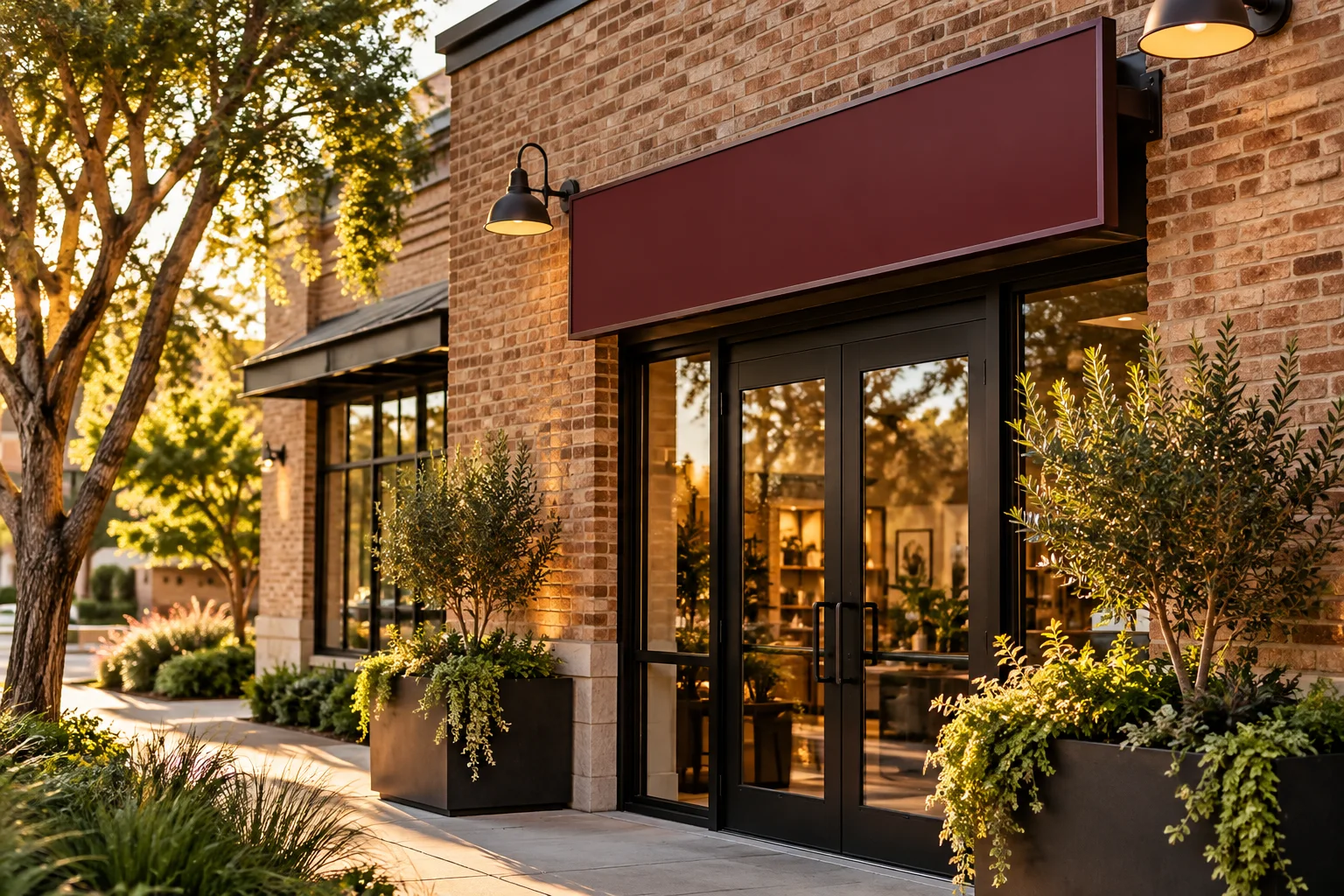
Visualizing a new sign in a specific window or an outdoor space is one thing; understanding how it interacts with the environment is another. A design might look striking on a high-resolution monitor, but its impact changes depending on lighting, distance, and the materials used. The tradeoff often lies between a highly complex, custom-shaped design and a more streamlined version that is easier to install and maintain.
For example, if you are planning a large-scale event, you might choose between a series of small, intricate directional signs and a few large, bold banners. The smaller signs offer more detail but require more placement points, while the larger banners offer immediate visibility at the cost of fine-print legibility. Deciding which approach serves your specific goal requires looking closely at the physical space where these items will live.
Preparing your project documentation
Before you finalize any decisions, organize the information you already have. Having a clear record of your dimensions, preferred color palettes, and the specific locations where items will be displayed can prevent misunderstandings later. When you meet to discuss your needs, bring these measurements and any photos of the installation sites. This allows for a more grounded conversation about what is possible within your specific environment.
Ask the provider how the suggested materials will hold up against the local weather or the specific lighting conditions of your site. If you are looking for grand opening signs dallas, you might also ask about the installation process and what tools or hardware are required to secure them properly.
Refining the final details
The final stage of planning is often the most overlooked. It is the moment to move past the "what" and start asking about the "how." A project is rarely just about the object itself; it is about the timeline, the delivery, and the setup. Without these answers, even the best design can lead to frustration during a deadline.
Ask about the specific steps involved in the production cycle and how you will be notified when a milestone is reached. Inquire about the process for reviewing proofs and what the window is for making necessary adjustments. By addressing these logistical details before the work begins, you ensure that the transition from a digital file to a physical sign is as smooth as the design itself. Focus your energy on the questions that clarify the timeline and the physical installation to ensure your vision arrives exactly as intended.