A museum visit can begin with an unreasonable promise to see everything. The building is large, the map is crowded, and each doorway suggests a room you might regret missing. A one-gallery visit offers another approach. Choose a manageable part of the museum and give it enough attention that the experience remains distinct after you leave.
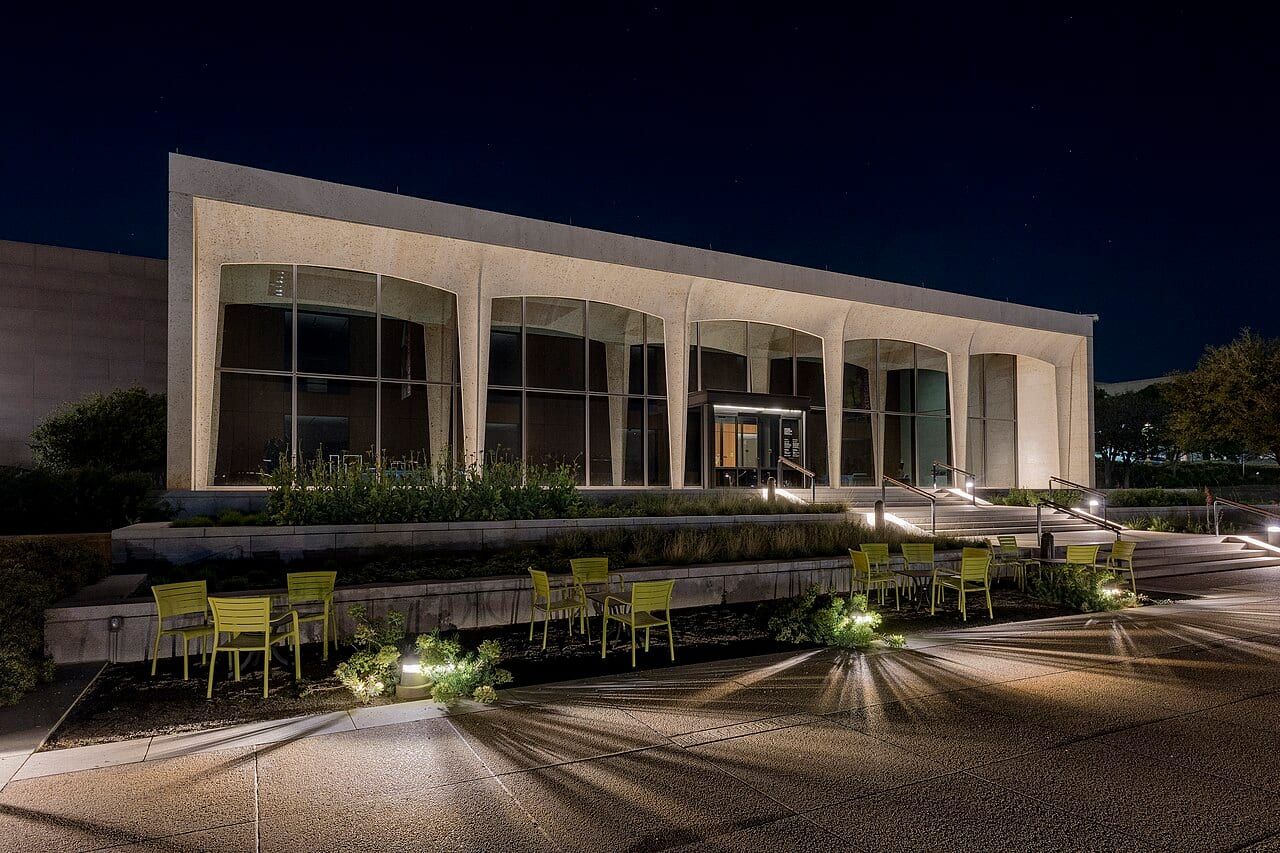
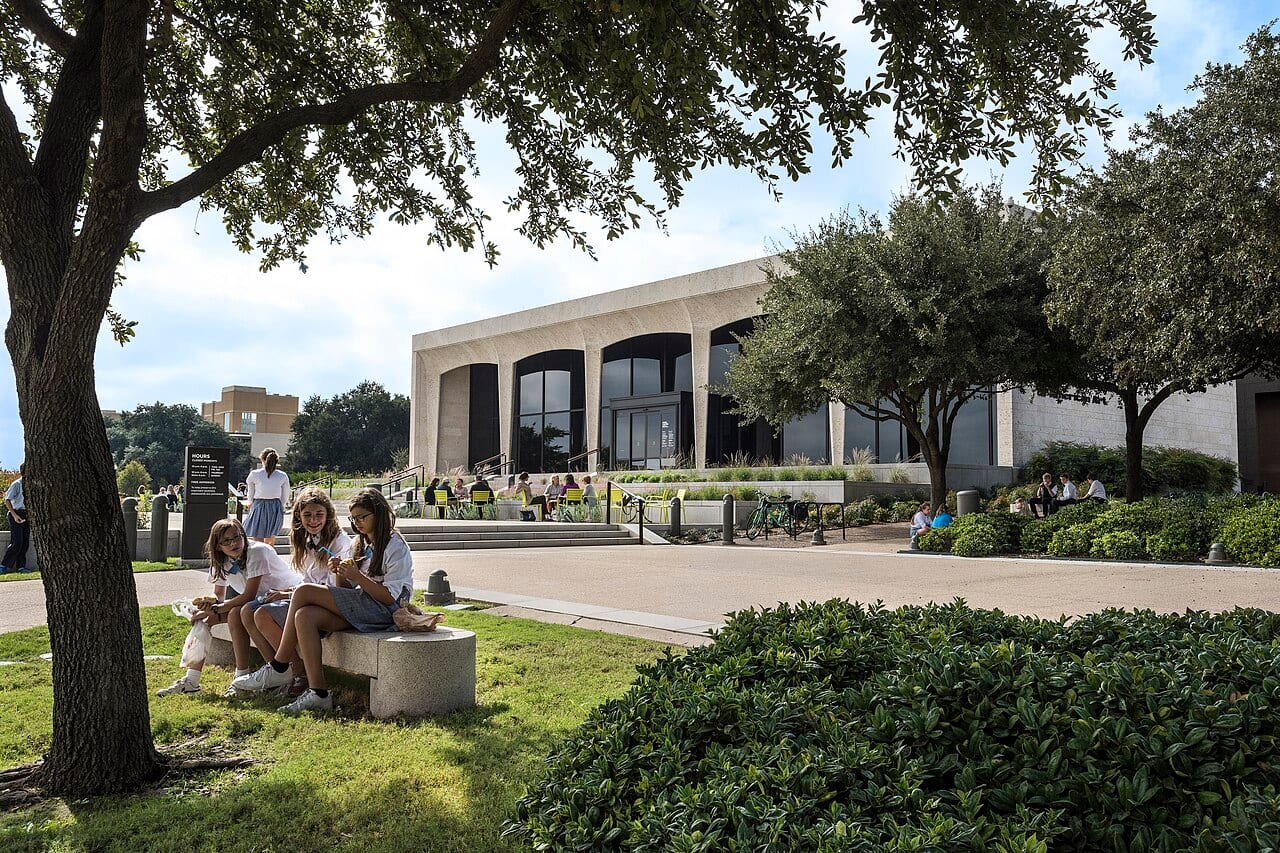
Dallas and Fort Worth offer several ways to build that habit. You might begin with the Nasher Sculpture Center's visitor information or the Amon Carter Museum's planning page. Check current exhibitions, access information, opening hours, and ticket arrangements directly. The point is to choose a visit that suits your attention and practical needs, rather than to reproduce someone else's ambitious itinerary.
Choose a question before a route
Give yourself a small question to carry through the gallery. How does the artist use empty space? What happens at the edge of a painting? Which material makes you want to look closer? A question provides direction without requiring specialist knowledge. You can revise it when an unexpected work catches your attention. Curiosity is more useful here than a test of how many names you recognize.
Spend a little time looking before reading every label. Notice what you think you see, then let the written information complicate or correct that first impression. Return your attention to the object afterward. A label can become a doorway into closer looking rather than a substitute for it. If a work is crowded, allow others space and come back when the room feels easier to navigate.
Keep a small record
If the museum permits notes, write down one material, one visual detail, and one question. Record the artist and title accurately if you intend to explore the work later. Follow the venue's photography rules, including any restrictions for a particular exhibition. Taking a photograph is optional; there is no need to interrupt an absorbing moment to prove that you were there.
- Leave time for arriving, finding your way, and asking practical questions.
- Use available seating or take a break when that improves the visit.
- Let a companion spend a different amount of time with a work without turning it into a disagreement.
Finish the planned gallery before deciding whether to continue. You may have energy for another room, or you may prefer to leave while the first experience is still vivid. Both choices are reasonable. If you are visiting with someone else, compare one work you each remember and describe the detail that held your attention. You do not have to agree on a favorite.
Later, return to the museum's own material about the work or artist if your question remains interesting. A focused visit can produce a thread to follow rather than a long list to complete. Repeated over time, these modest outings build familiarity with a place and confidence in your own attention. The museum becomes somewhere you can return to comfortably, not an institution you must exhaust in a single afternoon.