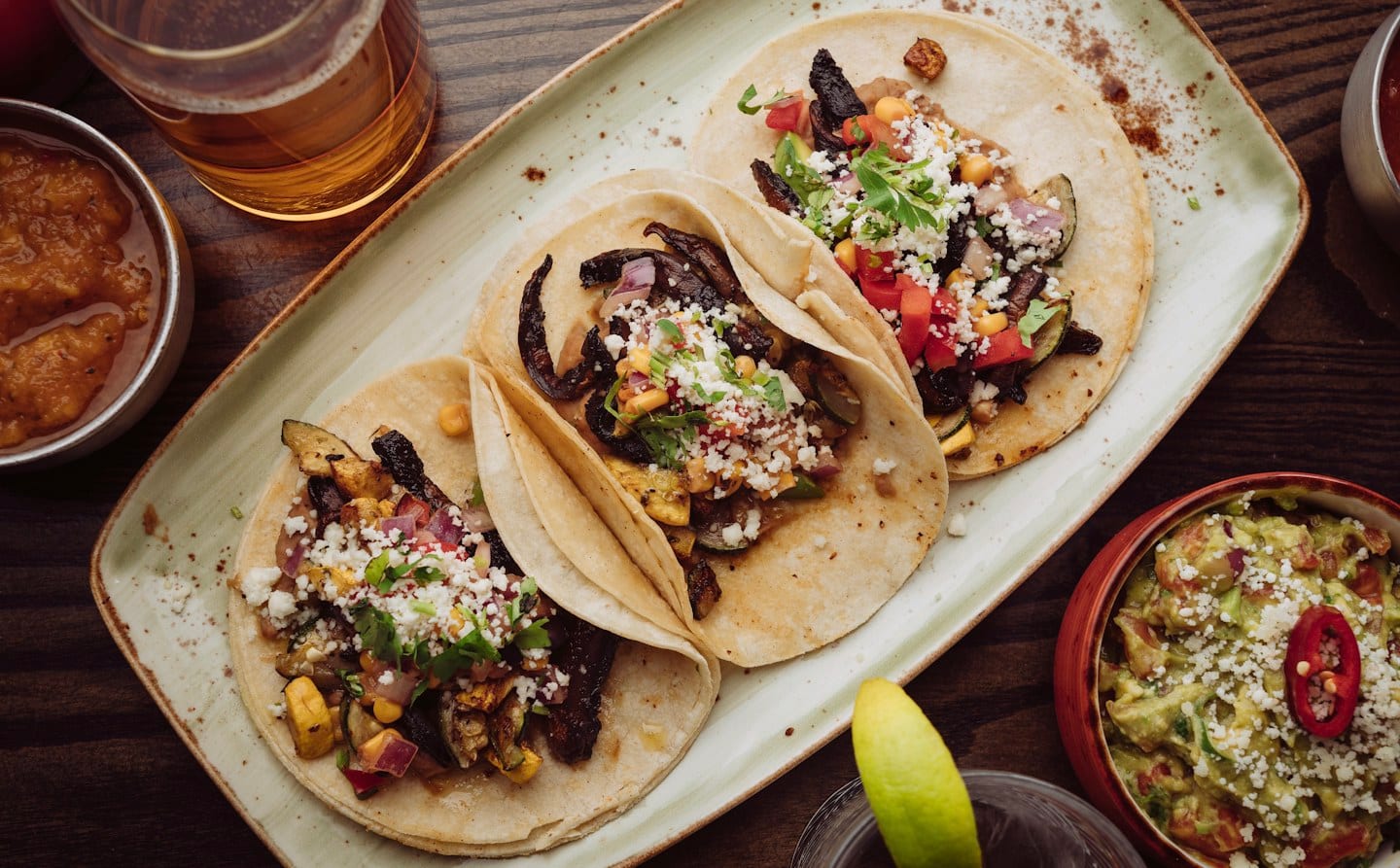
Taco night can be an easy way to gather people around a table, but its apparent simplicity sometimes creates too many last-minute tasks. Several fillings, a crowded counter, and a search for serving spoons can leave the host working while everyone else waits. Begin with a menu small enough to prepare confidently and a serving rhythm that suits your kitchen.
Choose the parts of the meal that matter most. One main filling, an appropriate alternative, a few toppings, and a side may be more enjoyable than a large collection assembled under pressure. Ask about dietary needs beforehand and discuss significant requirements directly. Do not describe a dish as suitable for an allergy or other specific need unless the ingredients and preparation can support that claim.
Map the work before the shopping list
Write the meal as a sequence: what can be prepared ahead, what needs cooking close to serving, and what should remain stored until needed. Follow reliable food-safety guidance, package instructions, and appropriate cooking directions for the ingredients you use. A hosting plan is not a reason to leave perishable food unattended on a counter while other tasks take longer than expected.
Check the bowls, utensils, and available surfaces before buying ingredients. A generous-looking menu may require more equipment than the kitchen can comfortably hold. Choose a serving arrangement that keeps preparation separate from guests building their plates. Leave enough room to move safely around hot equipment and avoid asking people to reach across active cooking areas to collect a topping.
Make choices clear at the table
Label fillings or toppings when their contents are not obvious. Keep a separate serving utensil with each bowl and explain any ingredients a guest has asked about. Avoid guessing when a purchased product's contents are uncertain; keep the packaging available to consult. A clear description is more useful than a reassuring phrase that hides an unanswered question about preparation or ingredients.
- Set out plates and the basic serving order before guests gather in the kitchen.
- Keep the menu manageable enough that the host can sit down.
- Plan appropriate storage and handling for leftovers before the meal begins.
Let guests build a plate that suits them without treating one combination as the correct one. A gathering at home does not need to become a demonstration of how much the host knows about food. If you introduce an ingredient or preparation, describe it accurately and modestly. Dallas tables reflect many different experiences; curiosity and clear information make the conversation more welcoming than assumptions about everyone's preferences.
After the meal, follow appropriate food-safety guidance for cooling, storing, or discarding leftovers, and keep uncertain items out of a casual take-home assortment. Note which parts of the menu were useful and which created unnecessary work. The next taco night can become simpler without becoming less generous. A good rhythm gives the food a clear path from preparation to the table and leaves enough attention for the people who came to share it.

