This is a paid partner contribution. Commercial relationships are disclosed so readers can distinguish sponsored content from editorial guides.
When a vehicle has visible hail damage, the practical question is often how to arrange an assessment without losing track of daily commitments. This partner guide looks at the information and conversations that help a Dallas-area owner prepare, while leaving technical and coverage decisions to the appropriate professionals.
Create one record for the damage
Keep photographs, the date you noticed the damage, and any relevant correspondence in a single folder. Include the vehicle details and an account of earlier damage or repairs you know about. Take images only when conditions are safe, and do not climb on the vehicle or enter an unsafe area for a better angle. If the car has concerns beyond cosmetic dents, arrange a qualified assessment of those concerns. A useful record shows what you observed without making an unsupported diagnosis. It also means you can provide the same factual background to the repairer and insurer instead of trying to reconstruct details during each separate call.
Keep coverage questions separate from repair questions
Ask your insurer how the particular policy and claim process apply to your circumstances. Keep that conversation distinct from the shop’s assessment of the vehicle and proposed repair work. Record what each party asks you to provide and who is responsible for the next step. Avoid treating a general advertisement about claim assistance or out-of-pocket costs as confirmation of your own arrangement. Request the relevant terms in writing and ask about anything unclear before approving work. This guide does not interpret insurance coverage or tell you which claim decision to make. The purpose is to help you arrive at those conversations with organized information and a clear understanding of who is answering which question.
Plan the appointment around real transport needs
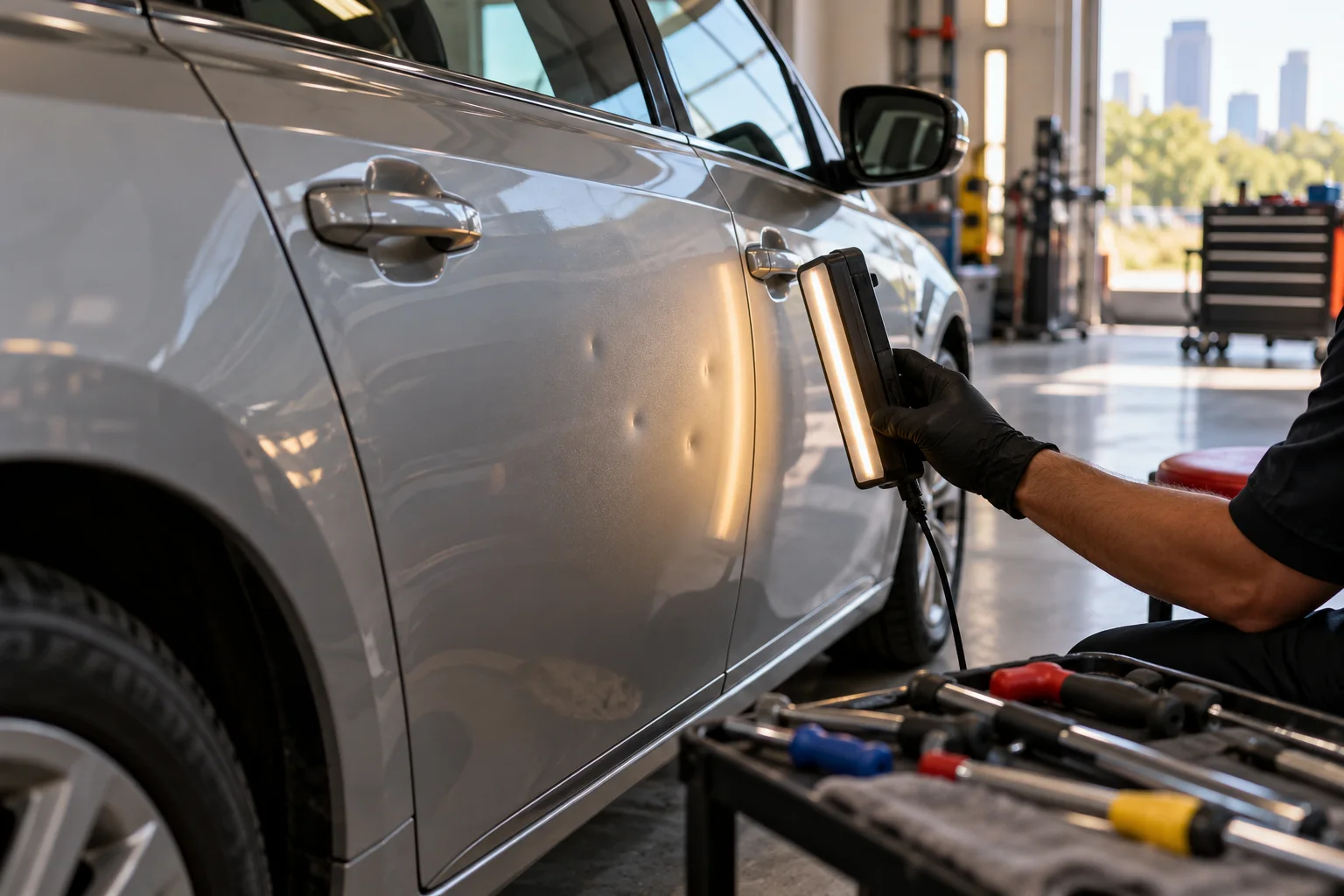
DentPicks has a dedicated page for auto hail repair Plano, describing its hail repair service and inspection process. When contacting the shop, explain your normal driving needs, when the vehicle can be available, and whether pickup or other transport arrangements need discussion. Confirm what is currently available and what conditions apply rather than assuming a website offer automatically covers every case. Ask what affects the anticipated schedule and how updates will be communicated. If another household member relies on the same car, include that person in the plan before agreeing to dates. A practical repair arrangement should account for the time between assessment, approval, work, and collection, including any uncertainty the provider identifies.
Close the process with useful documentation
At the handoff, confirm the approved work, contact details, and how any change will be authorized. Keep related messages together so you can distinguish an estimate from a final agreement. When the vehicle is returned, ask the shop to review the work with you and provide the final paperwork and applicable written terms. Save those records with the vehicle documents. If you have an unresolved question about the repair, make it specific; if it concerns coverage or claim handling, take it to the appropriate party. An orderly process gives a DFW driver a clearer view of the decisions involved and makes it easier to fit the repair into everyday life without relying on assumptions.